


Rural Food Processing Facility Expansion
USDA Business & Industry (B&I) Loan | Facility Expansion and Automation
In Brief
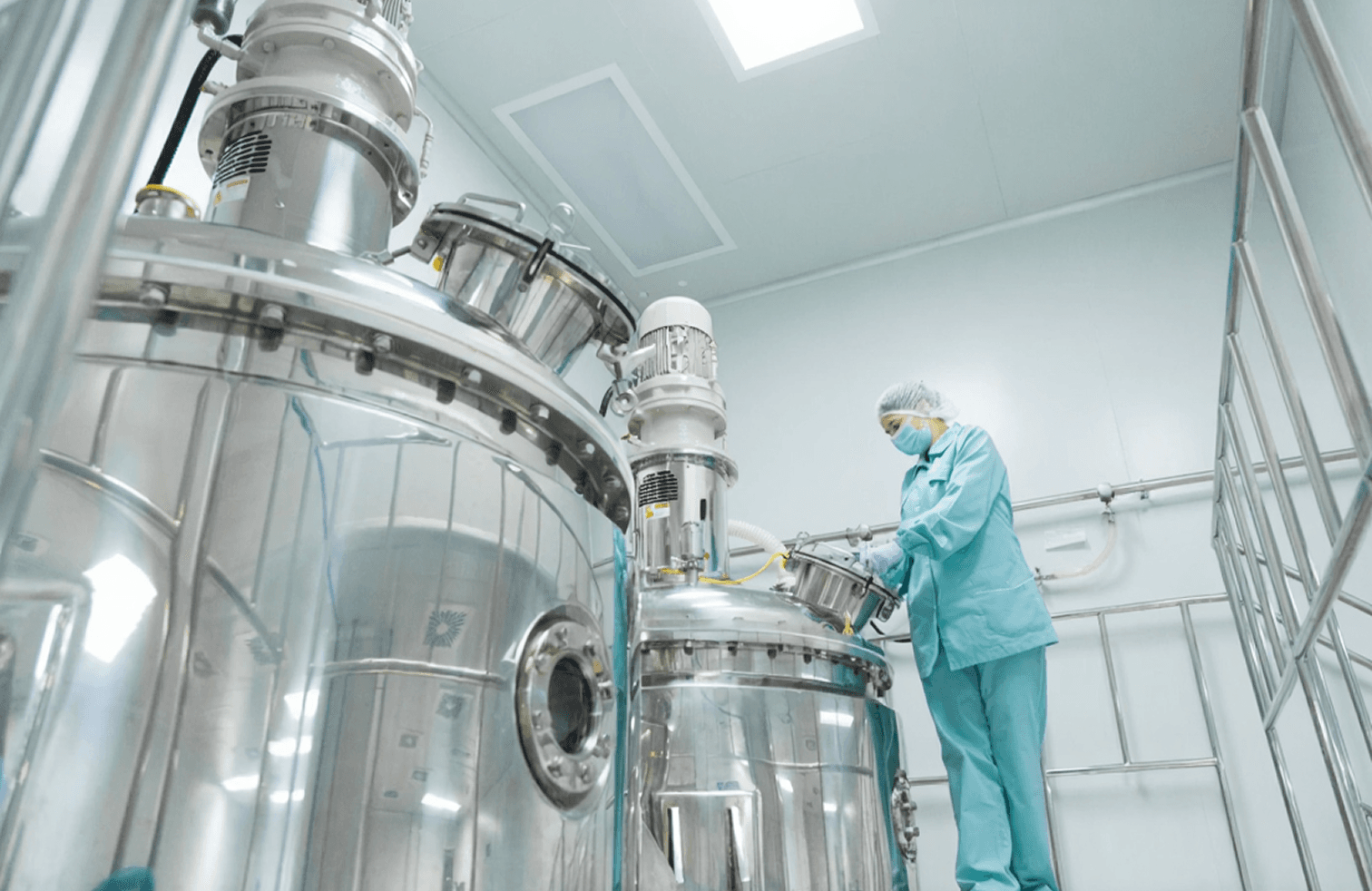
Waterside Commercial Finance delivered long-term USDA B&I financing to a regional food processor in the Midwest, supporting facility expansion, equipment upgrades, and rural job creation. The project provided a capital solution where conventional lenders could not, addressing a gap in financing for a strong operator in a rural market.
Capital Stack
Waterside arranged an $11.2 million USDA Business & Industry (B&I) loan with long-term amortization and limited recourse. Proceeds were used for facility expansion, equipment purchases and packaging line automation, and working capital to support hiring and distribution scale-up.
Execution Outcome
The new facility enabled the business to increase production capacity by more than 40%, streamline logistics, and expand into new regional markets. The project created 26 full-time jobs in a rural town previously impacted by industry decline. Waterside's USDA lending expertise ensured the borrower received permanent, affordable capital—unlocking a path to sustainable, long-term growth.
50,000+ sq ft
Expansion of an existing processing facility.
Equipment Purchases
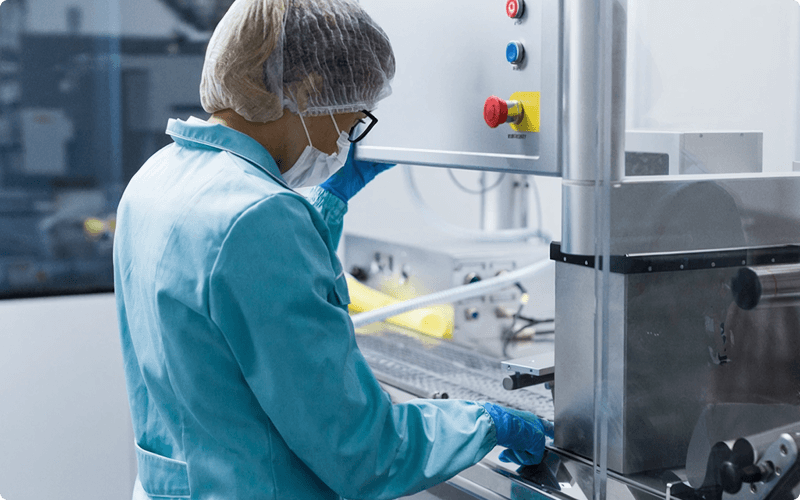
And packaging line automation.
Working Capital
To support hiring and distribution scale-up.
Overview
Waterside Commercial Finance delivered long-term USDA B&I financing to a regional food processor in the Midwest, supporting facility expansion, equipment upgrades, and rural job creation. The project provided a capital solution where conventional lenders could not, addressing a gap in financing for a strong operator in a rural market.
The Challenge: Financing Gaps in Rural Food Production
Regional food processors operating in rural markets face a structural disadvantage when accessing capital. Their revenue profiles — seasonal, commodity-linked, and dependent on regional supply chains — are difficult for conventional bank underwriting models to standardize. Despite strong operating histories and real assets, many rural food manufacturers find themselves unable to access credit at the scale needed to grow.
This borrower had outgrown its existing facility and needed capital to expand processing capacity, purchase automated packaging equipment, and fund the working capital that would support the hiring push following expansion. The business case was sound. The challenge was finding a lender equipped to underwrite it.
Conventional lenders cited the borrower's rural geography and food-processing revenue seasonality as barriers. Several declined entirely. Others offered terms that didn't match the business's cash flow profile — short amortization schedules and full personal recourse that made the expansion financially unviable even at favorable rates.
Why USDA B&I Was the Right Program
The USDA Business & Industry Guaranteed Loan Program exists precisely for situations like this. Designed to support economic development and job creation in rural communities, B&I loans provide long-term, government-guaranteed debt that allows lenders to extend credit in markets they would otherwise avoid. The guarantee — covering up to 80 percent of the outstanding loan balance — materially reduces lender risk and enables the underwriting flexibility that rural borrowers need.
For this transaction, USDA B&I delivered a structure that conventional financing could not: long-term amortization aligned with the facility's useful life, limited personal recourse, and pricing that reflected the government guarantee rather than the perceived risk of a rural food processing operation.
The Financing Structure
Waterside arranged an $11.2 million USDA Business & Industry (B&I) loan with long-term amortization and limited recourse, coordinating directly with the USDA state office to move the application through eligibility review, conditional commitment, and final closing efficiently.
Proceeds covered three categories of need: facility expansion to add more than 50,000 square feet of production space, capital equipment purchases including packaging line automation that increased throughput per labor hour, and working capital to fund the hiring ramp and expanded distribution footprint. The structure aligned debt service with the business's actual cash flow profile, giving management the financial flexibility to scale without overextending their balance sheet during the build-out period.
Executing Through the USDA Process
USDA B&I transactions require careful navigation of federal program requirements. Eligibility determinations, environmental review, and state office coordination each add complexity that most conventional lenders are not structured to manage. Waterside's process expertise — built through years of originating and closing USDA-guaranteed loans — allowed the transaction to move efficiently from application to conditional commitment to closing without the delays that often cause borrowers to abandon government-backed programs entirely.
Working directly with the USDA state office, Waterside managed the documentation requirements, coordinated the lender relationship, and maintained the application timeline needed to reach a clean close. That operational fluency is what separates a successfully closed USDA transaction from one that stalls in the approval queue for months.
Economic Impact
The expansion delivered measurable outcomes for the surrounding rural community — 26 new full-time positions, a 40 percent capacity increase, and a strengthened regional supply chain providing more reliable local sourcing for distributors throughout the region. In a rural town previously impacted by industry decline, the capital investment had an impact that extended well beyond the borrower's balance sheet.
The project demonstrates what USDA B&I financing is designed to do at its core: put permanent, affordable capital into rural businesses that create jobs and strengthen the economic fabric of their communities.
What This Means for Rural Food Processing Operators
This transaction is a proof point for food processors and manufacturers operating in rural markets: the capital exists, and the USDA B&I program is built for exactly this kind of project. The barrier is rarely eligibility — it is finding a capital partner with the program expertise to execute without losing months to process friction.
If your processing facility, manufacturing operation, or value-added agricultural business needs long-term, affordable debt and has encountered conventional lenders who will not commit at the scale required, a USDA-guaranteed structure may be the right path. The key is working with a team that has already navigated the process many times and knows how to move efficiently from application to close.

Next Case Study