


Utility-Scale Solar Farm
REAP + EB-5 Capital Stack | Rural Renewable Energy Infrastructure
In Brief
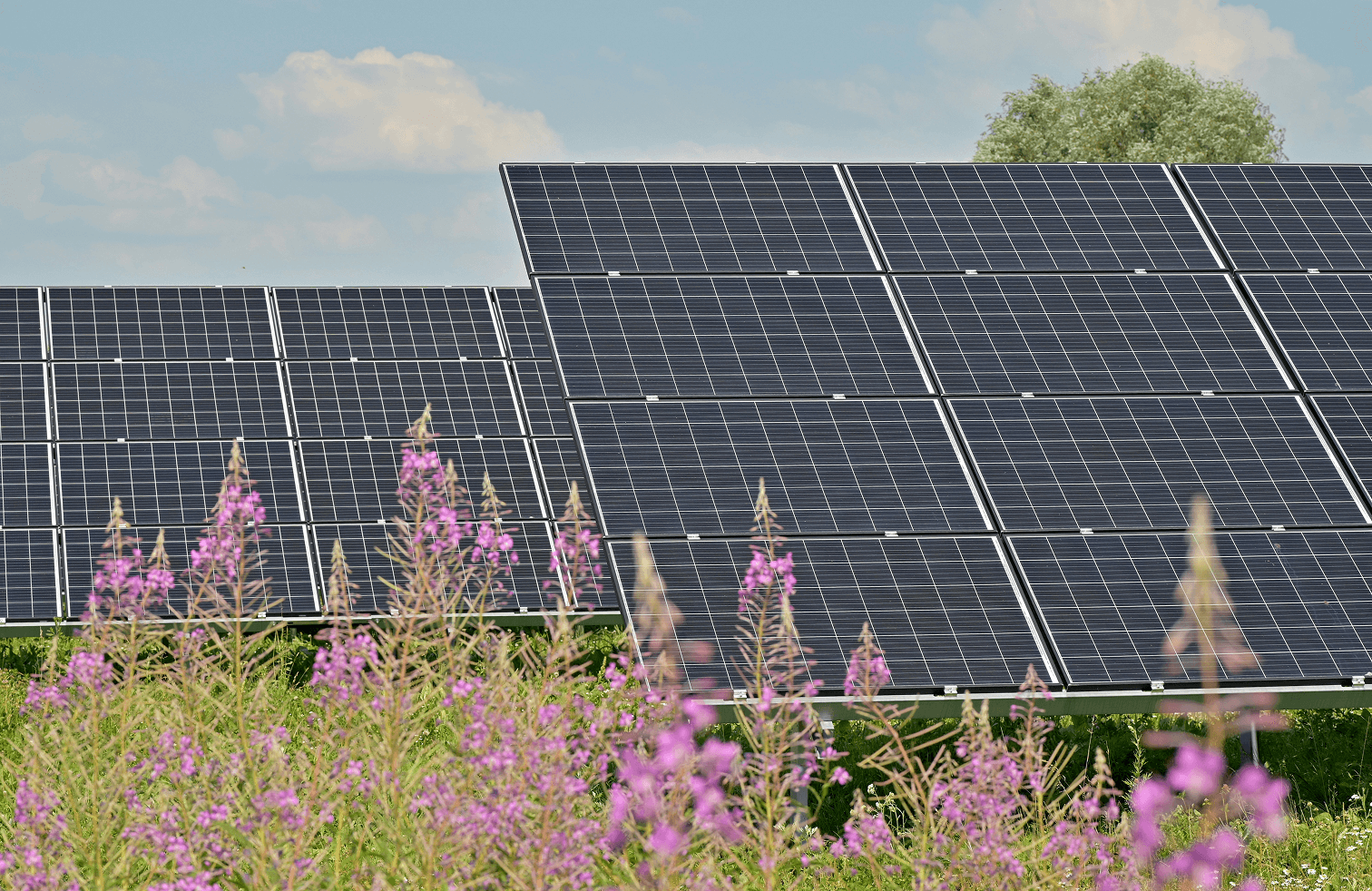
Waterside Commercial Finance delivered financing for a 48 MWdc solar project serving a rural, low-income community. The transaction combined USDA REAP debt with EB-5 capital to keep construction on schedule and bridge the federal investment-tax-credit timeline. The structure provided long-term, affordable financing and allowed the developer to begin operations without delay.
Capital Stack
Waterside delivered a $60 million capital stack combining USDA REAP debt with EB-5 capital to bridge the project's investment tax credits and fund construction. The REAP loan provided long-term, affordable financing, while the EB-5 capital supplied the flexibility needed to keep the project on schedule and align timing with tax-credit realization.
Execution Outcome
The project was completed on schedule and now generates renewable power for more than 7,000 rural homes, offsetting roughly 60,000 metric tons of CO₂ each year. Construction created over 100 local jobs and several long-term operating roles. By bridging the investment-tax-credit timing and securing permanent USDA REAP debt, Waterside enabled the developer to maintain project control, capture the full value of the tax incentives, and deliver reliable, low-cost clean energy to the community.
$25MM USDA REAP Loan
Long-term, fixed-rate financing that provided stability and predictable debt service.
$16MM EB-5 Immigrant Investor Capital
Raised through a TEA designation to bridge ITC timing during construction.
$19MM Sponsor Capital
Contributed by the developer and project partners to complete the financing.
Overview
Waterside Commercial Finance delivered financing for a 48 MWdc solar project serving a rural, low-income community. The transaction combined USDA REAP debt with EB-5 capital to keep construction on schedule and bridge the federal investment-tax-credit timeline.
The Project: Utility-Scale Solar in an Underserved Rural Market
The 48-megawatt direct-current solar farm was developed on agricultural land in a rural, low-income census tract — a geography that qualified for Targeted Employment Area (TEA) designation under the EB-5 program and met the rural eligibility thresholds for USDA REAP financing. The project was designed to deliver clean power to more than 7,000 homes in a region historically dependent on higher-cost energy sources.
Like most utility-scale solar projects, the financing structure had to solve a problem that developers face consistently: the timing mismatch between when capital is needed and when the federal Investment Tax Credit (ITC) actually pays out. Construction requires full commitment up front. The ITC value doesn't flow until the project reaches commercial operation. That gap needs to be financed — and how it is financed determines whether the project economics work.
The Challenge: Bridging the ITC Timing Gap
Federal solar Investment Tax Credits represent a material portion of any utility-scale project's capital structure, but they are not available at financial close. They are realized after the project achieves commercial operation, which typically comes twelve to eighteen months after construction begins.
For developers, this creates a structural financing challenge: the equity needed to close the construction loan cannot be sourced from the ITC until the project is already built. That means finding capital that can bridge the ITC realization period without forcing the developer to sell down equity at a discount to impatient investors, or to pay the high rates demanded by conventional construction bridge lenders.
For a rural project in a low-income market — where long-term power purchase agreement pricing is constrained and margin compression from high-cost bridge financing can threaten project viability entirely — solving the ITC bridge problem efficiently is not optional. It is the difference between a project that closes and one that does not.
Why REAP + EB-5
The USDA Rural Energy for America Program (REAP) provides long-term, government-guaranteed debt for renewable energy systems in rural markets. For utility-scale solar, REAP financing delivers fixed-rate, long-duration debt at pricing that reflects the government guarantee — significantly below what conventional construction-to-permanent lenders offer for projects of this complexity and geography.
EB-5 immigrant investor capital fills the equity gap. Raised through TEA-designated regional centers, EB-5 capital is patient, lower-cost equity that can be structured to sit alongside USDA debt without triggering the covenant or collateral constraints that institutional equity investors typically impose. For this project, the TEA designation — driven by the rural, low-income geography — unlocked access to a broader pool of EB-5 investors at improved pricing on the equity raise.
Together, the two programs created a capital structure that did not exist on a conventional basis: permanent government-backed debt anchoring the long-term stack, and flexible investor equity bridging the ITC realization window.
The Financing Structure
Waterside delivered a $60 million capital stack combining $25 million in USDA REAP debt with $16 million in EB-5 immigrant investor capital and $19 million in sponsor equity. The REAP loan provided long-term, fixed-rate financing that anchored the project's permanent debt stack. The EB-5 capital bridged the investment-tax-credit realization window, allowing the developer to keep construction moving without diluting equity prematurely or taking on high-cost conventional bridge debt.
Coordinating both federal programs simultaneously — USDA REAP and EB-5 — required managing separate regulatory timelines, investor processes, and lender underwriting requirements in parallel. Waterside's experience structuring blended government-backed capital stacks for rural projects was central to executing both tranches without disruption to the construction schedule.
Execution and Impact
The project was completed on schedule and now generates renewable power for more than 7,000 rural homes, offsetting roughly 60,000 metric tons of CO₂ annually. Construction created over 100 local jobs, with several long-term operating roles retained after completion.
By bridging the ITC timing and securing permanent USDA REAP debt, Waterside enabled the developer to maintain project control, capture the full value of the federal tax incentives, and deliver reliable, low-cost clean energy to a community that had historically lacked access to affordable power.
What This Means for Rural Renewable Energy Developers
USDA REAP is consistently underutilized by solar developers who are unfamiliar with the program's rural eligibility parameters, application process, or lender network. For projects meeting the rural geography thresholds — and most utility-scale solar developments qualify — REAP financing can replace expensive conventional debt with long-term, government-backed capital at significantly lower cost.
The combination of REAP and EB-5 is not a standard offering in the project finance market. It requires a capital partner with program expertise across both federal systems and the operational capability to manage two parallel processes without derailing project timelines. That is the capability Waterside brings to rural renewable energy transactions — and this project demonstrates what that execution looks like at scale.

Next Case Study